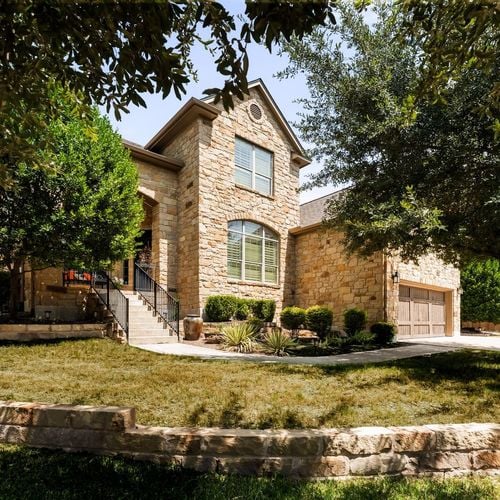
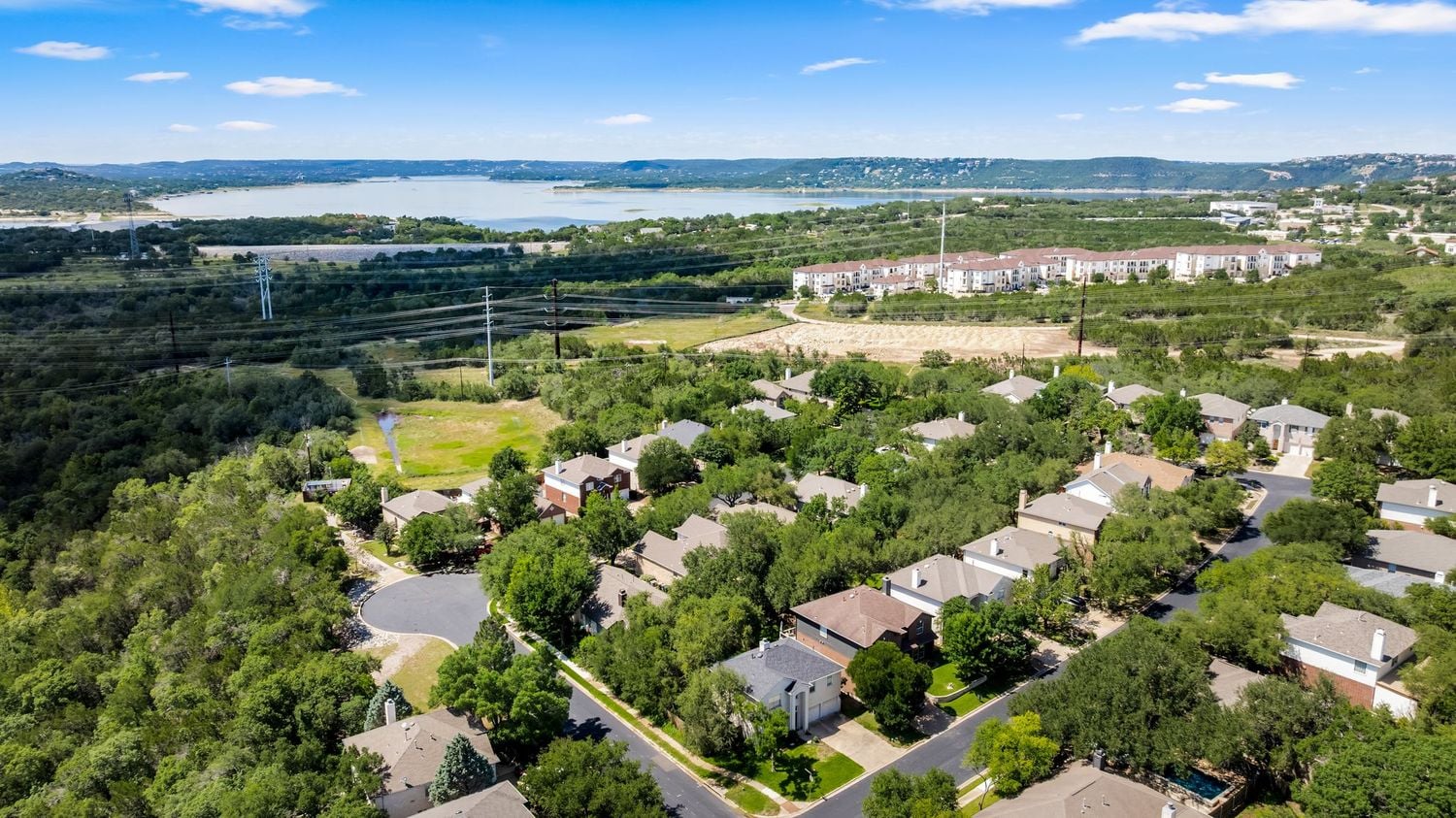
Selling off-market means your home is shown privately to qualified buyers before it appears on the public MLS. There is no yard sign, no public listing, and no days-on-market clock. You get real buyer feedback and real offers while keeping the option to launch publicly at any point.
- Off-market is a starting position, not a permanent decision
- Your home is introduced to more than 33,000 Compass agents before any public launch
- No public days-on-market count and no visible price reductions
- You can move to the MLS at any time without losing momentum
The phrase confuses people, and the confusion runs both directions. Some owners hear off-market and picture a secretive deal with one buyer at a below-market number. Others hear it and assume it means the home is hidden from everyone who might want it. Neither is right. What it actually describes is the order of exposure: serious buyers first, the general public second, and only if the first part has not already done the job.
What Does Selling Off-Market Mean in Steiner Ranch?
It means your home is marketed privately to a defined pool of buyers rather than published to the open market. The house is real, the price is real, and the offers are real. What is missing is the public record. Nothing accumulates days on market, nothing shows a reduction history, and nobody outside the target pool knows the home is available. That distinction matters more than it sounds, because a home's public history follows it. Once a listing has sat for a stretch or shown a price change, every buyer who comes later reads that history before they read anything else. Off-market selling lets you find out what buyers think before that record starts being written.
How Does the Off-Market Phase Actually Work?
It runs in three phases, and the first two happen before anything is public. In pre-marketing, your home is soft-launched to more than 33,000 Compass agents and their qualified buyers, along with my own list of people watching for specific homes in this neighborhood. That first wave tells us whether the pricing and the buyer interest are where we expect. The second phase is targeted private exposure to serious, pre-qualified buyers, with showings, feedback, and offers, but no public listing. If the response is strong, you can go under contract without ever launching publicly. If the feedback says something needs adjusting, you adjust quietly. The third phase, a full public MLS launch, is available whenever you want it, and it starts from demand you have already measured. That sequence is the core of how off-market selling works here.
Who Is Selling Off-Market Right For?
It suits owners who value control and privacy more than maximum immediate exposure. A few groups come up repeatedly. Owners who are not certain they want to sell and want to see what the market says before committing. Owners who do not want showings running constantly through a house with young children or a work-from-home schedule. Owners in a section where the likely buyer pool is small and well-defined, so blasting the home widely adds little. And owners coordinating a purchase who need certainty on the sale before they can act. It is a poorer fit when you need speed above all else, or when the home is unusual enough that the right buyer is genuinely hard to predict, in which case wide exposure earns its keep.
What Are the Tradeoffs of Selling Off-Market?
The main tradeoff is reach. A public MLS launch puts your home in front of everyone at once, and there are situations where that pressure produces the best outcome. A private phase reaches a smaller group by design. The honest way to hold both ideas is that off-market is not a substitute for public exposure, it is what happens first. You are not choosing to skip the MLS, you are choosing not to start there. If the private phases produce the buyer, you never needed the public launch. If they do not, you go public having already learned what the market thinks, which is a better position than launching on an untested guess. The decision is easier once you have a grounded valuation of your home to reason from.
Local Insight: Section-Level Buyer Pools Make This Work
Private selling depends entirely on knowing who the buyers are, and that knowledge is local or it is nothing. Because my work is concentrated in this one community, I generally know which buyers are watching The Bluffs versus Canyon Glen, who is waiting for a single-story in Santaluz, and who has been circling Lakewood Hills for a year. That is what makes a private phase productive rather than quiet. Buyers moving into Steiner Ranch are also buying into everything around the home, from the trail network to the pools to Lake Austin access through the Lake Club, and the community amenities and what is nearby come up in nearly every private showing. A wide public launch reaches strangers. A private phase reaches people who have already decided they want to be here.
Common Questions From Steiner Ranch Sellers
Does selling off-market mean I get a lower price?
No. Off-market is about who sees the home and when, not about discounting. Offers still reflect what qualified buyers are willing to pay for the home.
Can I switch to the MLS if the private phase does not work?
Yes, at any point. That is the design. Nothing about the private phase prevents a full public launch later, and no days on market have accumulated in the meantime.
Will buyers know my home is for sale?
The buyers we target will. The general public will not. Exposure is deliberate rather than broad during the private phases.
How long does the off-market phase usually last?
It varies by home and by seller. Some owners run it for a couple of weeks before deciding, others longer. You control the timing throughout.
Final Thought: Start With Control, Then Decide
The useful way to think about this is not off-market versus public. It is what you want to know before the public sees your home. A private start gives you information while every option is still open, and it costs you nothing but a conversation about whether your home and your timing are a fit for it. The full process for sellers here is built around that idea.
#steinerranch
Check out this article next