
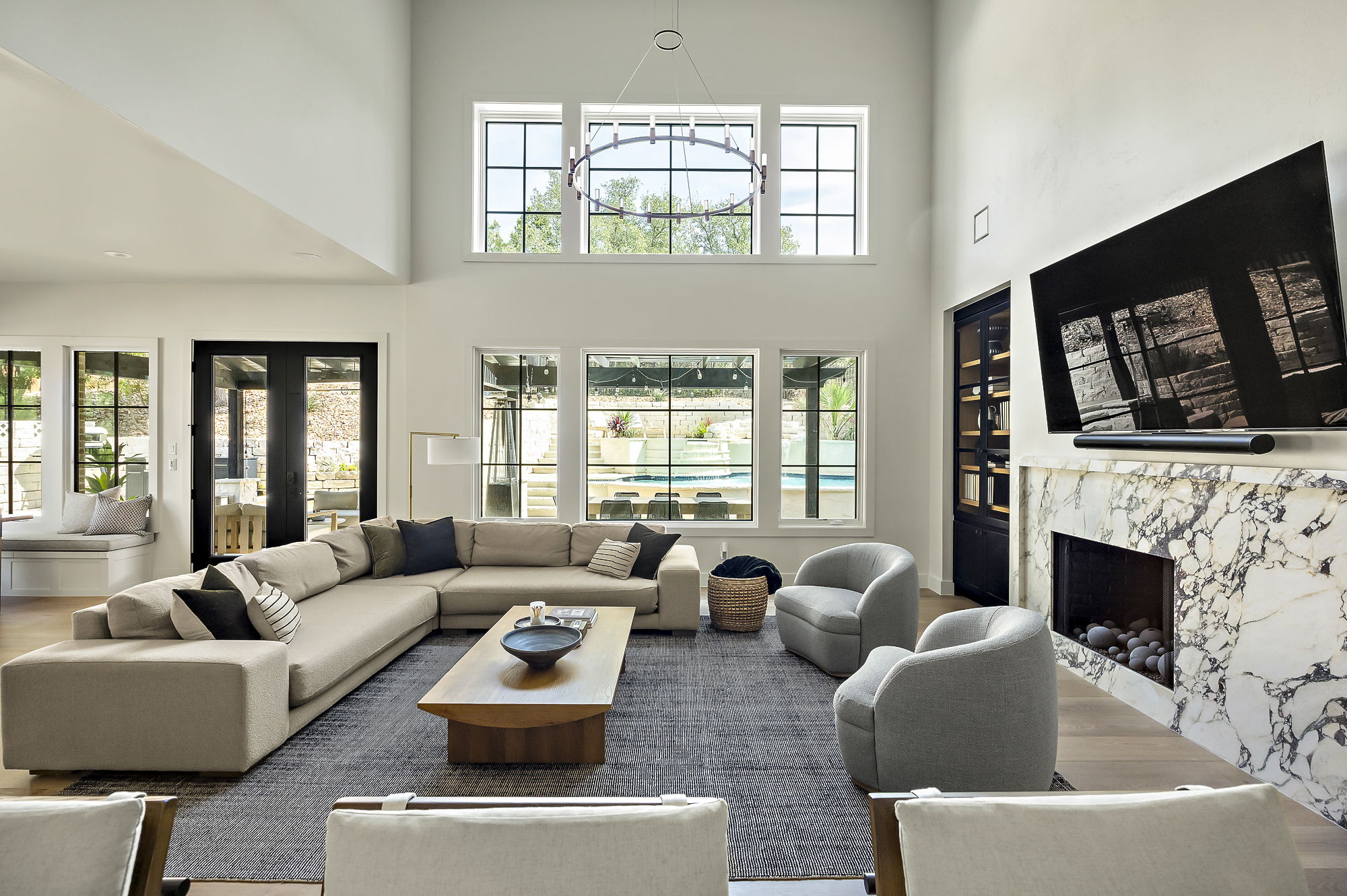
Staging matters more when buyers have choices, not less. In a faster market, a home can sell despite weak presentation. When buyers are comparing several similar homes in the same section, presentation is often what separates them. The real question is not whether to stage, but how much.
- Staging earns its keep when buyers have alternatives to compare against
- Empty homes and homes with heavy personal furnishings benefit most
- Occupied homes in good condition often need editing rather than full staging
- The first buyer impression now happens on a screen, before anyone arrives
- The right level of staging depends on the section and the likely buyer
Staging is one of the first line items sellers try to cut when the market feels slower, and the reasoning sounds sensible. Fewer buyers, so why spend more to reach them. What that reasoning misses is what actually changes when a market slows down. Buyer count drops, but buyer scrutiny goes up, and the comparison set gets wider. Those two shifts move staging from a nice extra toward one of the more reliable ways to hold your position.
Is Staging Worth It in a Slower Market?
For most homes, yes, though not always at full scale. When buyers have several options in the same section and price band, they stop asking whether a home works and start asking which one works best. Presentation is one of the few variables a seller still fully controls at that point, along with price and condition.
The case gets weaker in a narrow set of situations: a home already furnished in a way that photographs well, a home so distinctive that the property itself carries the interest, or a home being sold to a buyer who has already decided. Which situation you are in is worth establishing before you spend anything, which is why my process for Steiner Ranch sellers starts with a walk-through rather than a quote.
What Does Staging Actually Do for a Buyer?
It answers a question the buyer cannot answer on their own: how do I live here. Most people cannot look at an empty room and picture furniture in it, and they cannot look at someone else's belongings and picture their own. Staging removes that work. Rooms get a clear purpose, scale becomes legible, and the traffic path through the home makes sense.
It also does something less obvious. A staged home reads as a home that has been cared for, and that impression carries forward into the inspection and the negotiation. Buyers arrive at a well-presented home expecting fewer problems, and they extend more benefit of the doubt when small issues surface. That effect is difficult to measure and easy to observe.
When Is Full Staging the Right Call in Steiner Ranch?
Three situations, most often. Vacant homes, where empty rooms photograph poorly and feel smaller than they are. Homes with large, awkward, or open spaces where buyers struggle to work out how the room is meant to function, which is common in the larger floor plans found in sections like The Bluffs and the area around UT Golf Club. And homes with heavily personalized or dated furnishings, where the furniture is actively working against the house.
The other case for full staging is competitive. If three similar homes in your section are available at once, the one that presents best tends to set the comparison for the others. When I look at whether full staging makes sense, I am looking at what is currently available near you and how those homes are being presented, not at a general rule about staging. A current valuation of your home is part of that same read, because the comparison set is defined by price band as much as by section.
When Is Partial Staging or Simple Preparation Enough?
Often, for occupied homes in good condition with reasonable furniture. In those cases the work is editorial rather than additive: remove roughly a third of what is in each room, take down the personal photographs, clear every horizontal surface, fix the lighting, and let the architecture do the rest. This costs very little and gets most of the benefit.
Partial staging sits in between and is the most common answer I give. Stage the rooms that carry the listing, usually the main living space, the primary bedroom, and one outdoor space, and leave the rest edited. Buyers form their impression in the first few rooms, and the photographs that draw them in are almost always from those same spaces. Spending evenly across every room is how staging budgets get large without getting more effective.
What Are the Alternatives to Staging?
Cleaning, decluttering, and lighting, in that order. These three do more for a home's presentation than anything else available and they cost the least. A deep clean, a serious declutter, and updated bulbs and fixtures will lift a home meaningfully before a single piece of rented furniture arrives.
Virtual staging is the other alternative, and it has a narrow, honest use: helping online viewers understand an empty room's potential. It has to be disclosed, and it carries a real risk, which is the gap between what the buyer saw on their screen and what they walk into. In a market where buyers are already cautious, that gap works against you. I would rather under-promise in the photographs and have the home exceed expectations at the door. You can see how presentation choices carry through on the featured Steiner Ranch listings.
Local Insight: The Screen Is the First Showing
After walking hundreds of homes in Steiner Ranch, the pattern that has changed most is where the first impression happens. Buyers decide which homes to tour from photographs, often on a phone, sometimes weeks before they ever drive out here. A home that presents poorly in those images may never get the in-person showing where its real qualities would have come through.
That matters more in this community than it might elsewhere, because buyers relocating into 78732 frequently start their search from another city. They are drawn by the schools in Leander ISD, by over 20 miles of trails and the pools, and by the setting and what is nearby. By the time they arrive, they have already shortlisted from a screen. Staging, in that sequence, is not decoration. It is the thing that earns the showing.
Common Questions From Steiner Ranch Sellers
Does staging help a home sell faster?
It generally helps a home draw more early interest, which is what shortens the process. Presentation affects which homes get toured, and touring is what leads to offers.
Should I stage an empty house?
Usually yes, at least partially. Empty rooms photograph poorly, feel smaller than they are, and make buyers work to picture their own life in the space.
Is virtual staging a good substitute?
It has limited uses and must be disclosed. The risk is the gap between the images and the in-person experience, which tends to cost more trust than the images gain.
Can I stage my home myself?
In many cases yes. Editing furniture down, clearing surfaces, removing personal items, and improving lighting are the highest-return steps and require no rental at all.
Does every room need to be staged?
No. The main living space, the primary bedroom, and one outdoor space carry most of the impression. Remaining rooms usually need editing rather than furnishing.
Final Thought: Presentation Is What You Still Control
When buyers slow down and compare, sellers do not lose control of the outcome. They just lose the margin for a weak presentation. Price, condition, and how the home shows are the three levers that remain, and the last one is often the least expensive to move. If you are weighing what to spend before listing, that conversation is worth having before anything is booked or bought.
#steinerranch
Check out this article next