The biggest mistake is pricing from memory instead of from current buyer behavior, then treating the public market as the place to find out whether the number was right. Nearly every other costly mistake follows from that one, including spending on the wrong preparation and waiting too long to adjust course.
- Pricing from what a neighbor got last year is the most expensive habit in this neighborhood
- The public market is a poor place to test a price, because the test is permanent and visible
- Preparation money spent before the buyer conversation is usually the money that does not come back
- Waiting for a better moment has real costs that rarely get counted
I want to be careful here, because most selling mistakes are not careless. They are reasonable decisions made with incomplete information, usually by owners who care a great deal about getting this right. The patterns below are the ones I keep seeing across Steiner Ranch as of mid-2026, and each one has a straightforward alternative. None of them require a different market. They require a different order of operations.
What Is the Single Biggest Mistake Steiner Ranch Sellers Are Making?
Pricing from memory. An owner remembers what a home down the street sold for, adds something for their own updates, and arrives at a number before anyone has looked at current buyer behavior for their section and floor plan. The number feels grounded because it is anchored to something real. It is anchored to something real that has already happened.
Buyer behavior moves faster than recollection does. When conditions shift, they shift unevenly across a community this varied, and a pattern that holds in one section may not hold in another. The alternative is not complicated: start from a current valuation of your Steiner Ranch home and treat the remembered number as a hypothesis rather than a floor.
Why Is the Public Market a Bad Place to Test a Price?
Because the test leaves a permanent record. A home that launches publicly at an untested number and then sits accumulates listing history that every buyer and every agent can see. The eventual reduction is not a fresh start. It arrives attached to the story of a home that did not sell at the first price, and buyers price that story into their offers.
This is the entire reason my process begins before the public market. The home is soft-launched to over 33,000 Compass agents and their qualified buyers first, which produces real response to a real number while nothing is being recorded. If the response says the price needs work, we adjust where nobody is keeping score. Selling off-market extends that private window further, with the option to pivot to a public launch at any time.
Which Preparation Mistakes Cost Sellers the Most?
Spending before the conversation, in almost every case. The most common version is a full kitchen or bathroom remodel undertaken right before listing, chosen under time pressure, with finishes the eventual buyer would not have picked. Sellers rarely recover that cost. A close second is over-improving past what a section supports, which produces a home priced above its neighbors with buyers who came shopping for the neighbors.
The work that does return reliably is unglamorous: paint where it is needed, lighting that makes rooms feel current, deep cleaning, attention to the front entry, and repair of the small visible items buyers read as neglect. Which of those apply to your home depends on your section and your likely buyer, which is why the walk-through comes before the plan. My standing advice to Steiner Ranch sellers is to spend nothing until we have talked.
What Happens When a Home Sits Too Long?
Attention decays quickly and does not return on its own. The strongest buyer interest arrives early, when a home is new to the people watching that section. Once it has been available for a while without moving, showings thin out and the buyers who do come arrive expecting flexibility. Agents notice too, and start describing the home to their clients differently.
The mistake is not the sitting itself. It is waiting to respond, usually in hopes that the next weekend will be different. When early response is quiet, that is information arriving on schedule, and the useful move is to figure out whether the issue is price, presentation, or buyer pool before another two weeks pass. Sellers who watch local market updates between conversations tend to reach that decision faster.
Is Waiting for a Better Market a Mistake?
Not always, but it is rarely as free as it feels. Waiting has real costs: carrying the home, deferring the move you actually want, and accepting that conditions when you eventually list are unknown to everyone including me. If the wait is tied to something concrete, a job change, a school year, a specific financial event, it can be a sound decision.
If the wait is tied to a hope that prices will return to a number you have in mind, that is a different decision wearing the same clothes. The honest version of this conversation involves looking at what you would net now, what your next move would cost now, and whether the gap between those two actually improves by waiting. Sometimes it does. Often the answer is that the move was never really about the market.
Local Insight: The Mistake That Is Specific to This Neighborhood
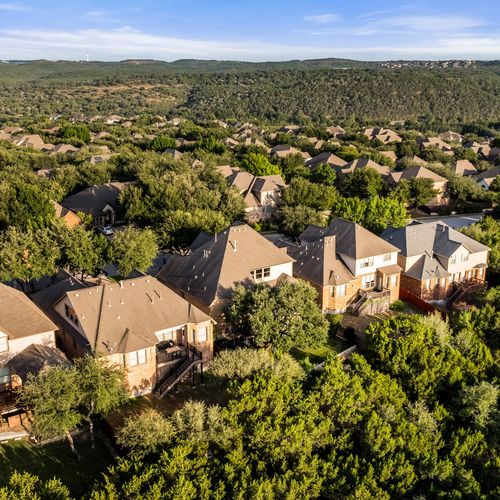
Here is the one I see in Steiner Ranch more than anywhere else. Owners price and prepare as though they are competing against Austin at large, when their real competition is a handful of homes inside this community. Buyers who want Steiner Ranch have usually already decided on the community, weighing the Leander ISD schools, the trail system that runs more than 20 miles through the neighborhood, and the amenities and daily conveniences before they compare houses. They are not choosing between your home and something across town.
That changes what matters. Positioning against the three or four comparable homes actually available in your section beats positioning against a citywide narrative. It also explains why prep advice that works in one part of Steiner Ranch can be wrong two streets away. Families timing a move around the Leander ISD calendar are shopping a narrow set of options, and how your home sits within that set is the whole game.
Common Questions From Steiner Ranch Sellers
My home has been listed for weeks with little activity. What should I do first?
Look at showing volume and feedback before touching the price. Quiet showings usually point to price. Steady showings without offers usually point to condition, layout, or presentation. The fix differs, so diagnose before adjusting.
Is it a mistake to test a high price for a couple of weeks?
On the public market, usually yes, because the listing history stays visible afterward. Testing a price during a private pre-marketing phase gives you the same information without the record.
Should I renovate before selling if my home feels dated?
Have the conversation before committing to anything large. Targeted work on paint, lighting, cleaning, and visible repairs returns far more reliably than a pre-sale remodel completed under time pressure.
Does every section of Steiner Ranch have the same seller mistakes?
The pricing mistake is universal. Preparation mistakes are section-specific, because buyer expectations differ across the community. A prep list that fits one section can be wrong a few streets away.
Final Thought: Most of These Are Order-of-Operations Problems
Almost nothing on this page requires a better market to fix. It requires putting the thinking before the spending and the private testing before the public launch. If a sale is anywhere in your plans for this year or next, the conversation that reorders those steps costs nothing and tends to be the most valuable hour of the whole process.
#steinerranch
Check out this article next