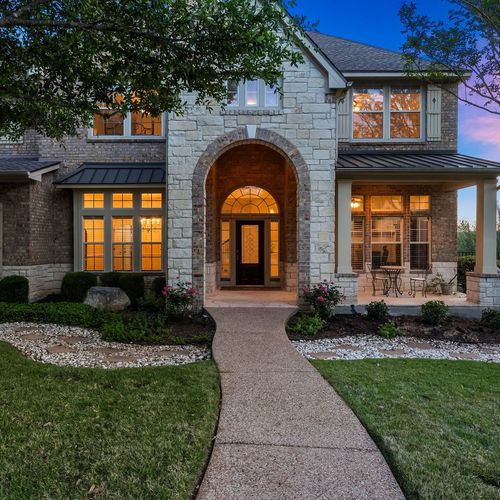
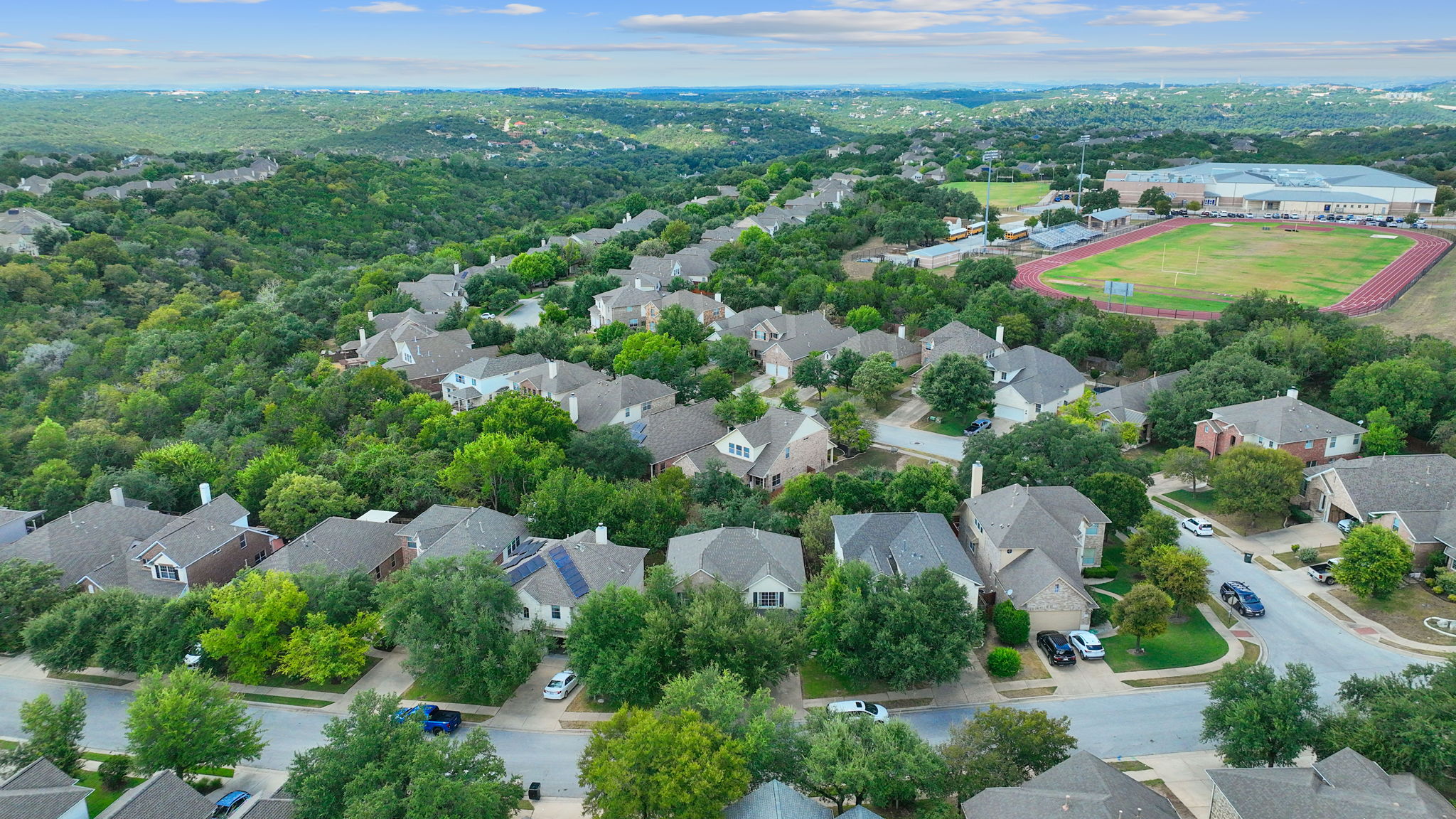
At a Glance
The Lifestyle Wins: Steiner Ranch offers a resort-style existence with 20+ miles of trails, three community centers, and a private Lake Club that is virtually unmatched in the Austin area.
Educational Excellence: The neighborhood is a powerhouse for families, consistently served by top-tier Leander ISD schools including Vandegrift High School.
The Commute Factor: Proximity to the city comes with a trade-off; the "one-way-in, one-way-out" nature of the peninsula can lead to predictable but significant traffic during peak hours.
Financial Considerations: High-quality amenities are funded by HOA dues and MUD taxes, which contribute to a higher carrying cost compared to older, non-master-planned areas.
Deciding where to plant roots in the Austin area often leads to a single, recurring question: "Is Steiner Ranch actually worth it?" For some, the answer is found in the panoramic Hill Country sunsets and the sound of children playing in safe cul-de-sacs. For others, the decision hinges on the logistics of a daily commute or the specifics of a tax bill.
After walking hundreds of homes in this community and helping countless families navigate their move, I’ve seen that Steiner Ranch is rarely a "neutral" choice. People move here for a very specific, high-energy, outdoor-focused lifestyle. To help you decide if it’s the right fit for your 2026 goals, I’ve broken down the genuine pros and cons of living in the "Land Between the Lakes."
The Pros: Why Families Choose Steiner Ranch
1. The "Gold Standard" of Public Education
The most cited "pro" for Steiner Ranch is undeniably the schools. Being part of the Leander Independent School District (LISD) provides a level of academic and extracurricular consistency that is rare. Whether your children are at Laura Welch Bush, River Ridge, or Steiner Ranch Elementary, they are entering a system that prioritizes college readiness and holistic growth. Vandegrift High School remains one of the highest-ranked high schools in the state, making the neighborhood a perennial favorite for relocation buyers who prioritize education above all else.
2. An Impressive Amenity Package
In Steiner Ranch, you aren't just buying a house; you are buying a membership to a self-contained resort.
Three Community Centers: John Simpson, Towne Square, and Bella Mar provide multiple pools (including lap pools), tennis courts, and splash pads.
The Private Lake Club: Having a private park on Lake Austin with boat docks and picnic areas is a perk few Austin neighborhoods can claim.
20+ Miles of Trails: The internal trail system allows you to hike or mountain bike for hours without ever leaving the community boundaries.
3. Community Culture and Safety
There is a "front porch" culture here that feels like a throwback to a simpler time. Because the neighborhood is a peninsula, there is no "through-traffic" from people who don't live here. This creates a secure environment where kids frequently roam on bikes and neighbors actually know each other’s names. From the "Concerts in the Park" to the youth sports leagues, the social infrastructure is built-in.
The Cons: The Realities of the Peninsula
1. The "Peninsula" Commute
The same geography that makes Steiner Ranch private also makes it challenging for commuters. There are essentially only two ways out of the neighborhood: RM 620 and RR 2222. During peak school drop-off and morning rush hour (7:30 AM – 8:30 AM), traffic at the "Four Points" intersection can be significant.
Downtown Commute: Expect 35–50 minutes during peak times.
The Domain/Tech Corridor: Typically 20–30 minutes.
While many residents find the trade-off worth it for the peace they feel when they arrive home, it is a factor that must be budgeted into your daily schedule.
2. Higher Carrying Costs (Taxes and HOA)
The world-class amenities and infrastructure are not free. Steiner Ranch residents pay for the "privilege of place" through:
Property Taxes: While rates vary by section, but ranges about 1.9%-2.1%
HOA Dues: These are mandatory and fund the massive trail system and community centers. While they are competitive with other luxury master-planned areas, they are a recurring cost that homeowners in older, unmanaged Austin neighborhoods don't have.
3. Suburban Density and Uniformity
Because Steiner Ranch is a master-planned community, the homes generally follow a specific aesthetic. If you are looking for "weird Austin" architecture or half-acre lots with no restrictions, you won't find them here. The HOA's Architectural Control Committee ensures consistency, which protects values but can feel restrictive to those who want total creative freedom with their property's exterior.
Local Insight: Is it a "Good" Place to Live?
In my experience, whether Steiner Ranch is a "good" place to live depends entirely on your phase of life.
If you have school-aged children and you want them to grow up in a community where they can bike to a friend’s house, join a swim team, and attend a top-tier high school, there is arguably no better place in Central Texas. The "cons" of the commute and the taxes are often seen as the necessary "price of admission" for that environment.
However, if you work downtown and require a 15-minute commute, or if you prefer a quiet, secluded life with no neighbors in sight, Steiner Ranch might feel too "busy" or "managed" for you. After walking hundreds of homes here, I’ve noticed that the happiest residents are those who lean into the community—they use the trails, they join the UT Golf Club, and they participate in the neighborhood events.
FAQ: Living in Steiner Ranch
Is the traffic really as bad as people say?
It is predictable. If you leave at 7:15 AM or 8:45 AM, you’ll find it quite manageable. The "crunch" happens right at the 8:00 AM school bell. Most residents who work in tech or professional services utilize hybrid schedules to avoid the peak.
How much are the HOA fees in 2026?
Most residents pay between $900 and $1,500 annually, typically billed semi-annually. Gated sections or condos will have higher supplemental fees for private road maintenance or insurance.
Are the property taxes going down?
As the debt for the Municipal Utility Districts (MUDs) is paid off, those specific portions of the tax bill can decrease. However, school and county taxes are subject to the broader Austin economic climate.
Is the neighborhood walkable?
It is walkable for recreation (trails and parks) but not for commerce. You won't be walking to a coffee shop or grocery store from most sections, though some homes near the "front" of the neighborhood have easier access to the shops at Quinlan Crossing.
Conclusion: Weighing the Trade-offs
Steiner Ranch offers a specific, high-quality version of the American Dream. It is a place designed for growth, activity, and education. While the commute and the cost of the amenities are real considerations, the "ROI" is found in the safety of the streets and the quality of the schools.
If you are trying to decide if the pros outweigh the cons for your specific situation, I would welcome the chance to talk it through with you. Every family is different, and finding the right "micro-location" within Steiner Ranch can often solve some of the very "cons" people worry about most. It's always worth starting the conversation early to see if this is where your next chapter belongs.
Internal Links:
External Links:
#steinerranch
Check out this article next