
At a Glance
Inspections are a standard part of the process and rarely "kill" a deal if approached with a pragmatic mindset.
Major systems like HVAC, roofs, and stucco are the primary focus for buyers in neighborhoods like The Bluffs or Bellagio Estates.
Distinguishing between cosmetic wear and functional defects is essential for maintaining a smooth transaction.
Preparation before listing can significantly reduce the likelihood of unexpected findings during the option period.
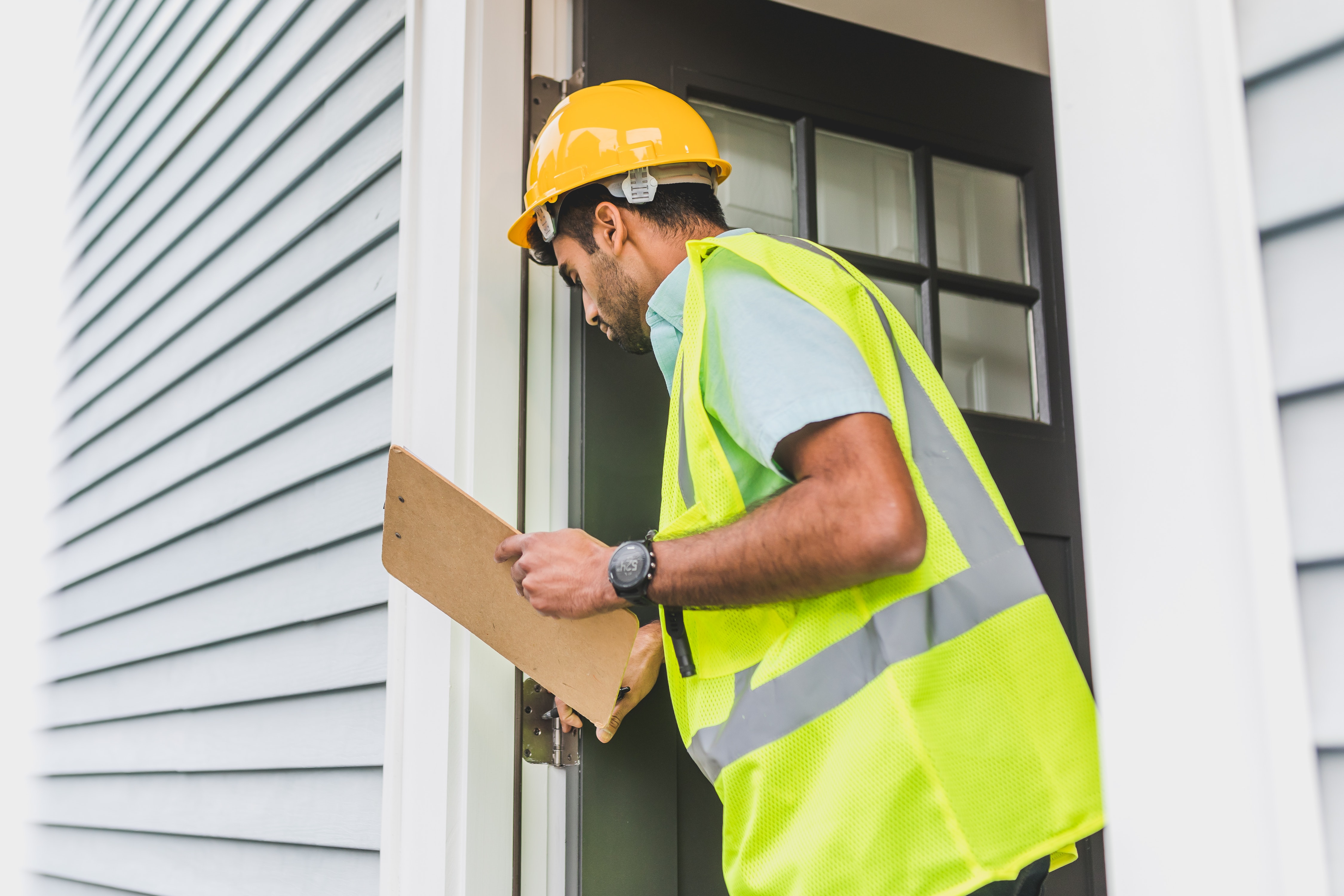
The home inspection is often the most stressful phase of a real estate transaction for Steiner Ranch homeowners. After the excitement of accepting an offer and moving into the option period, the sudden arrival of a thirty-page technical report can feel like a setback. It is a moment where the momentum of a sale often pauses, replaced by a detailed examination of every system, shingle, and socket in the house.
In my experience working with sellers across neighborhoods from University Club to Santaluz, I have found that an inspection report is not a pass-fail grade. Instead, it is a tool for negotiation and risk management. While it is true that some deals fall apart during this phase, most "failed" inspections are actually the result of a breakdown in communication or a misalignment of expectations rather than a catastrophic physical defect in the home. Understanding the nuances of the Steiner Ranch market and the specific commonalities of our local construction helps keep these transitions manageable.
What is the actual purpose of the home inspection?
A home inspection is designed to provide the buyer with a comprehensive overview of the property’s condition at a specific point in time. In Texas, inspectors typically use a standard form established by the Texas Real Estate Commission (TREC). This report is exhaustive by design. Even a well-maintained home in Bella Mar or Lakewood Hills will likely result in a report that appears daunting to the untrained eye.
The inspector’s job is to identify deficiencies. This includes everything from a missing GFCI outlet in a kitchen to more significant concerns like age-related wear on a HVAC system or signs of foundation movement. For a seller, it is helpful to view the inspection as a survey of the home’s current state. It is not an obligation to bring an older home up to the standards of brand-new construction in areas like Travisso or Sweetwater, but rather a way to ensure the buyer understands what they are purchasing.
Why do some inspections lead to a terminated contract?
When a deal "dies" due to an inspection, it is rarely because of a single leaky faucet. Usually, it is a combination of "the big three": the roof, the HVAC, and the foundation, coupled with a buyer who feels overwhelmed. In Steiner Ranch, where many homes were built in the late 1990s and early 2000s, we are seeing many original systems reaching the end of their functional life.
If a buyer discovers that the roof requires a full replacement or that both air conditioning units are failing, the financial weight of those repairs can cause cold feet. This is particularly true for buyers who are already stretching their budget to move into a specific section of Steiner Ranch to be near River Ridge Elementary or Canyon Ridge Middle School. When the perceived cost of repairs exceeds the buyer's liquid cash or their appetite for risk, they may choose to use their unrestricted right to terminate during the option period.
How does the age of Steiner Ranch homes impact inspection reports?
Steiner Ranch is a mature master-planned community. Because development spanned several decades, the "typical" inspection finding varies by neighborhood. In older sections like the original Steiner Ranch or Rocky Ridge, we often see comments regarding the age of water heaters or the presence of older electrical components. In newer sections like Savannah Pointe or Summer Vista, the focus might shift to drainage patterns or minor settlement cracks that are common in Central Texas soil.
I have observed that stucco maintenance is a frequent topic in our local inspections. Many homes in the gated sections of Steiner Ranch feature beautiful Mediterranean-style exteriors. If the stucco has not been properly maintained or if the flashing is inadequate, an inspection may flag moisture concerns. Addressing these items through regular maintenance before listing is always a more stable path than reacting to them while under contract.
Should a seller fix everything on the inspection report?
One of the most common questions I hear after walking through a home with a seller is whether they need to address every item flagged by the inspector. The short answer is no. A real estate transaction is a negotiation, and the inspection report is the starting point for the second round of that negotiation.
Generally, sellers should focus on items that are "red flags"—issues involving safety, structural integrity, or the failure of a major system. Cosmetic issues, such as worn carpet or minor drywall cracks, are usually already factored into the listing price. In a balanced market, buyers are typically looking for the home to be "safe, mechanical, and functional." They aren't necessarily looking for a perfect house, but they do want to know they won't face a $20,000 expense the month after they move in.
How can you prevent an inspection from killing your deal?
The most effective way to manage the inspection process is to eliminate surprises. I often suggest that sellers consider a pre-listing inspection. By hiring an inspector before the home goes on the market, you can identify potential deal-killers early. If you know the water heater is nearing the end of its life, you can choose to replace it on your own timeline or disclose its age upfront.
Disclosure is a powerful tool in Steiner Ranch real estate. When a buyer knows about a specific condition before they make an offer, it is much harder for them to use that same information to renegotiate later. If we know the roof has some hail damage—a common occurrence in Travis County—we can provide the insurance claim information or a roofing contractor’s estimate as part of the initial listing package. This transparency builds trust and keeps the buyer's confidence high.
What role does the HVAC play in local negotiations?
In Central Texas, the HVAC system is perhaps the most scrutinized element of the home. Given our summer temperatures, a system that is not performing at peak efficiency is a major concern for any buyer. During inspections, technicians will measure the "delta-T"—the temperature differential between the air going into the return and the air coming out of the vents.
If the differential is too low, it suggests the system is struggling. In Steiner Ranch homes with multiple levels, such as those with walk-out basements or three-story floor plans, ensuring the upstairs units are cooling effectively is vital. Having a licensed professional service your units and provide a receipt of maintenance just before listing can go a long way in reassuring a buyer that the systems are being cared for.
What if the buyer’s demands are unreasonable?
Occasionally, a buyer will use the inspection report as a "shopping list," asking for every minor item to be repaired or requesting a large credit that exceeds the actual cost of the work. This is where a calm, data-driven approach is necessary.
As a seller, you have three options: you can agree to the repairs, offer a price reduction or a closing cost credit in lieu of repairs, or you can decline the request. In my experience, offering a credit is often the cleanest solution. It allows the sale to proceed without the seller having to manage contractors while trying to pack, and it gives the buyer the ability to choose their own repair professionals after closing. If a buyer is being truly unreasonable, we look at the backup interest in the property. Sometimes, the best move is to let a difficult buyer walk and return to the market with a clearer understanding of the home's condition.
Common Questions Regarding Inspections
Is the roof always a deal-breaker? Not necessarily. In Steiner Ranch, many roof issues are related to minor maintenance, such as cracked pipe boots or loose shingles. However, if a roof is 20 years old, most lenders and insurance companies will flag it. If the roof has functional damage, it often becomes a requirement for the sale because the buyer may not be able to secure a homeowners insurance policy otherwise.
Can an inspector "fail" a house? No. An inspector does not give a pass or fail grade. They simply report on the condition. The only people who can "fail" the deal are the buyer or the seller if they cannot come to an agreement on how to handle the findings.
Should I be present during the buyer's inspection? Generally, it is best for the seller to leave the home during the inspection. This allows the inspector and the buyer to speak freely and move through the property efficiently. Being present can sometimes lead to defensive conversations that inadvertently create tension between the parties.
Moving forward with confidence
The inspection period is a hurdle, but it is one that we navigate successfully almost every day in Steiner Ranch. The key is to remain objective. A house is a complex machine, and like any machine, it requires ongoing maintenance and eventual part replacements. When both parties approach the inspection with the goal of a fair outcome, the deal rarely dies.
If you are considering selling your home and want to discuss how to prepare for the inspection process, it is worth starting the conversation early. Understanding the current state of your home’s major systems can save a significant amount of stress once you are under contract.
#steinerranch
Check out this article next