At a Glance
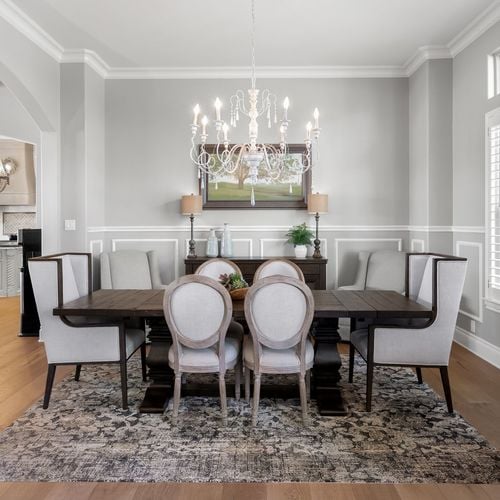
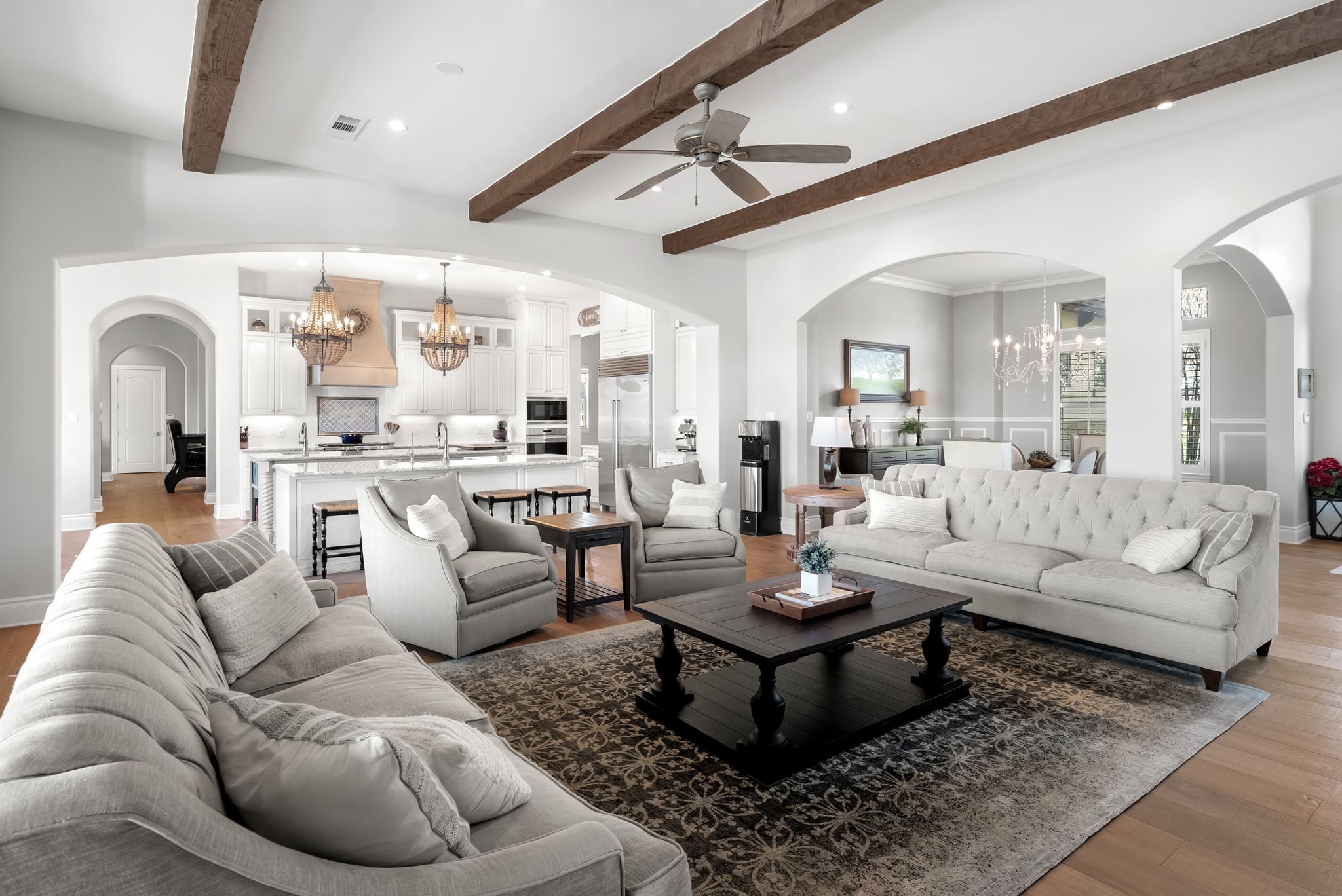
Staging in Steiner Ranch is less about "decorating" and more about demonstrating a home's functional potential and lifestyle.
Light prep—focusing on neutral tones and decluttering—removes the mental "to-do list" that often leads to lower offers.
Strategic furniture placement in larger floor plans, like those in Santaluz or The Bluffs, helps buyers understand scale and room purpose.
First impressions at the curb and entry set the psychological tone for the entire showing, signaling a well-maintained property.
In my time walking hundreds of homes across Steiner Ranch, I have noticed a consistent pattern: buyers here are not just looking for square footage; they are looking for a lifestyle that feels manageable and elevated. When a home is presented with intentional staging or even thoughtful light prep, the conversation shifts from the cost of repairs to the quality of life the neighborhood offers. Whether it is the proximity to Steiner Ranch Elementary or the ease of access to the lake, the physical environment of the home acts as the gateway to that broader vision.
Why is the first impression so impactful in a master-planned community?
The Steiner Ranch buyer profile often consists of professionals and families who value order and efficiency. Their perception of a home begins well before they step through the front door. A home that has undergone "light prep"—pressure washing the driveway, refreshing the mulch, and ensuring the front entry is immaculate—signals to a buyer that the current owners have practiced diligent stewardship.
When the exterior is neglected, a buyer’s subconscious immediately begins looking for more significant issues inside. They might wonder if the HVAC has been serviced or if the roof—something they can check via the Travis Central Appraisal District records—has reached the end of its life. By handling the "easy" visual wins, you allow the buyer to remain in an aspirational mindset rather than a defensive one.
How does staging solve the problem of "awkward" spaces?
Steiner Ranch features a wide variety of floor plans, from the original builds of the late 90s to the expansive luxury estates in sections like The Bluffs. Some of these larger layouts include "flex" rooms or loft spaces that can be difficult for a buyer to mentally categorize. Is it a home office? A second play area? A media room?
Staging provides the answer. By placing a desk and a bookshelf in a sunlit corner, you define the space as a functional home office. This is particularly relevant now, as many residents in our community continue to work remotely or require dedicated study spaces for children attending Leander ISD schools. When a space is left empty, it often feels smaller than it actually is, or worse, it feels like a "problem" the buyer has to solve. Staging removes that confusion.
Does light prep really change the financial outcome of a sale?
While some may view staging as an unnecessary expense, I view it as a risk-mitigation strategy. In a market where inventory can fluctuate, your home is competing with every other listing in your price bracket. A home that feels "heavy" with personal items, dark paint, or oversized furniture requires the buyer to use their imagination—and imagination is expensive.
When a buyer has to imagine the home without the clutter, they often subconsciously "charge" the seller for that effort by offering a lower price. Light prep, such as neutralizing wall colors and thinning out furniture, makes the home feel "turn-key." In my experience, a turn-key home in Steiner Ranch not only attracts more showings but also tends to hold its value more firmly during the inspection and appraisal process.
What is the difference between staging and interior design?
It is important to distinguish between the two. Interior design is personal; it is about making a house a home for the people living in it. Staging is the opposite. It is about depersonalizing the space so that a stranger can envision their own life there.
In neighborhoods like Bella Mar, where families often look for a cohesive and "easy" transition, removing family photos and highly specific decor allows the architecture to shine. We want the buyer to notice the high ceilings and the flow toward the outdoor living area, not the seller's collection of travel memorabilia. Staging is a marketing tool designed to appeal to the widest possible audience, ensuring the home feels like a blank canvas with just enough "life" to feel warm.
How does lighting influence buyer mood during a showing?
One of the simplest forms of light prep is often the most overlooked: lighting. Steiner Ranch is known for its incredible natural light and Hill Country views. If your blinds are closed or your bulbs are mismatched in color temperature, you are hiding one of the home's best features.
I often recommend that sellers replace all bulbs with a consistent "warm white" LED and ensure that every window is cleaned inside and out. A bright, airy home feels larger and cleaner. This is a small adjustment that costs very little but profoundly affects how a buyer "feels" when they walk through the door. It creates an atmosphere of transparency and openness that is highly valued in the Austin market.
Q&A: Common Questions on Steiner Ranch Home Prep
Do I need to stage every room in the house? Not necessarily. I usually recommend focusing on the "impact" rooms: the entryway, the kitchen, the primary bedroom, and the main living area. These are the spaces where buyers spend the most time and make their emotional decisions.
Is it better to sell a home empty or furnished? Generally, a lightly furnished home shows better than a completely empty one. Furniture provides a sense of scale and warmth. If you have already moved out, bringing in a few key staging pieces for the main areas can make a significant difference in how the home photographs and shows.
Should I paint my kitchen cabinets if they are dated? This depends on the overall price point and the condition of the cabinets. In many Steiner Ranch homes, a fresh coat of a neutral, modern paint on older oak cabinets can completely transform the kitchen for a fraction of the cost of a remodel. It is often one of the highest-return light prep items you can do.
How long does the staging process take? For most homes, the "prep" phase takes 1–2 weeks of decluttering and minor repairs, while the actual staging install usually happens in a single day. Starting the conversation early allows us to create a timeline that isn't rushed.
Conclusion
Staging and light prep are not about hiding flaws; they are about revealing the home's true potential. In a community as sought-after as Steiner Ranch, buyers have high expectations. Meeting those expectations through a clean, intentional presentation is often the difference between a home that sits and a home that sells. If you are considering a move, it is worth starting the conversation early to identify which small steps will have the biggest impact on your eventual sale.
#steinerranch
Check out this article next