
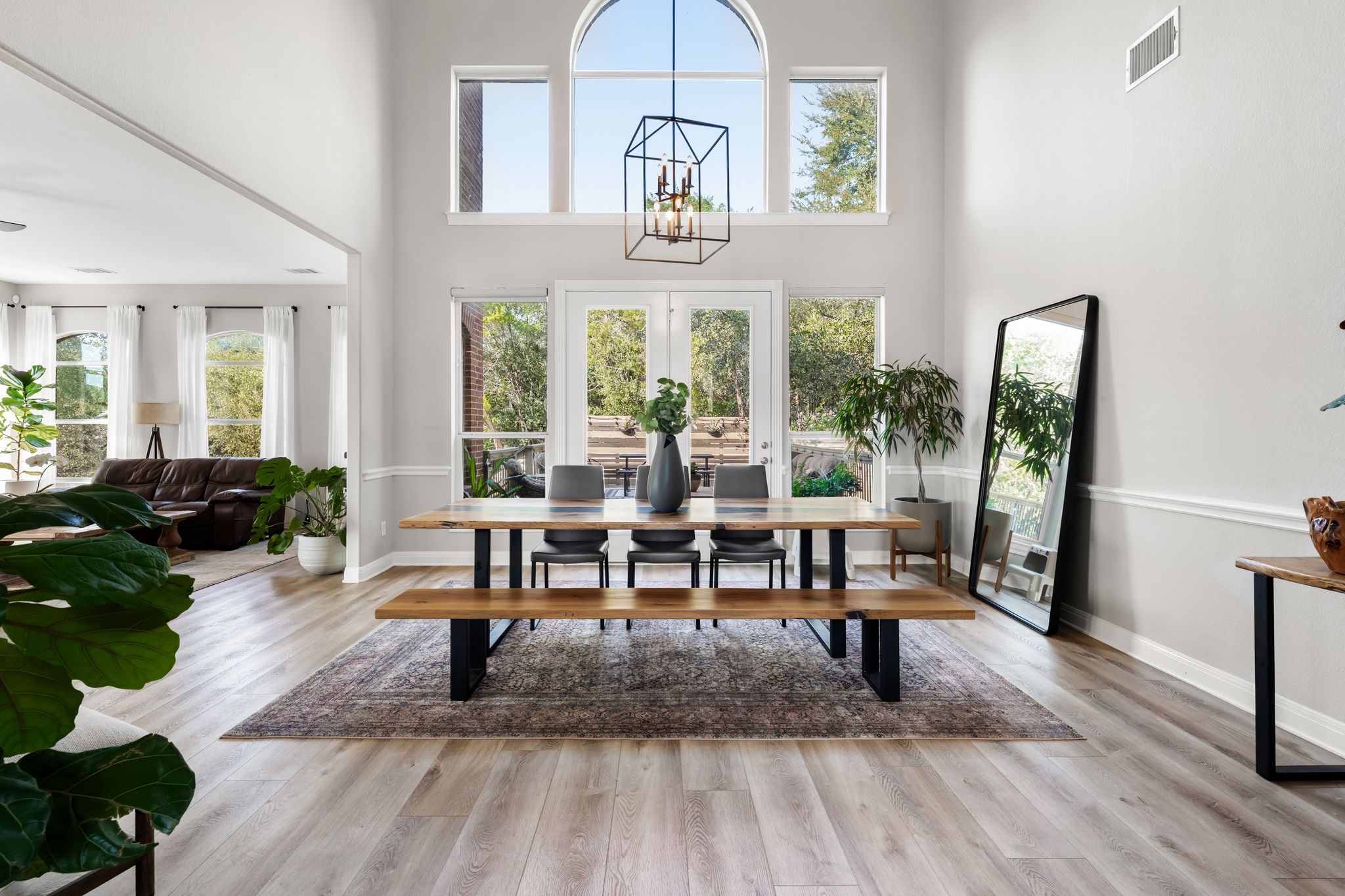
Five or six years ago, staging was often viewed as a luxury reserved for the highest-end custom homes in The Bluffs or UT. In the frantic market of 2021, it became optional because buyers were purchasing anything with four walls and a roof.
But in today’s market, the conversation has changed. As inventory normalizes and buyers become more selective, I am frequently asked: "Is staging really worth the cost, or is it just an extra expense?"
After walking hundreds of listings and listening to buyer feedback during open houses, my answer is grounded in data, not design trends. Staging is rarely about "decoration." It is about clarity. In 2026, staging is a strategic tool used to answer buyer questions before they even ask them.
Does staging actually change the sale price?
It is difficult to say, "Staging adds exactly $10,000 to your price." Real estate doesn't work like a vending machine. However, there is a direct correlation between staging and time on market.
When a home sits on the market for 30, 60, or 90 days, the eventual sale price almost always drops. Buyers smell blood; they assume something is wrong. Staging creates an emotional connection that accelerates the decision-making process.
According to industry data, staged homes sell faster than non-staged homes. In Steiner Ranch, where many homes have similar layouts, staging is how you differentiate your property from the three others for sale down the street. It shifts the buyer’s focus from "This carpet looks old" to "I can see my family having Christmas in this living room."
Why can't buyers just visualize it?
This is the most common misconception sellers have. You have lived in your home for years. You know exactly how the furniture fits. You know that the odd nook under the stairs is perfect for a dog crate or a reading chair.
Buyers do not know this.
When a buyer walks into an empty room, their brain instantly struggles with scale. Without furniture as a reference point, rooms actually look smaller. I have stood in empty primary bedrooms with buyers who genuinely argued that a King-size bed wouldn't fit—until I showed them a photo of the same room staged.
In Steiner Ranch, where we have high ceilings and open floor plans, empty spaces can feel cold and cavernous. Staging brings the room back down to a human scale, making it feel warm and livable rather than institutional.
How do we handle "Steiner Flex Rooms"?
One specific reason staging is vital in our neighborhood is the prevalence of "flex spaces." Many homes built by Taylor Morrison or Drees in the mid-2000s feature:
Upstairs lofts with no door.
Formal living rooms at the front of the house that nobody uses anymore.
Strange alcoves off the kitchen.
If we leave these empty, buyers view them as wasted square footage. They walk in and ask, "What am I supposed to do with this?"
Staging provides the answer.
That "useless" formal living room becomes a sophisticated home library or bourbon lounge.
The awkward loft becomes a clearly defined teen homework zone.
The alcove becomes a coffee station.
By defining the purpose of the room, we turn a layout objection into a selling point.
Full Staging vs. "The Edit"
Staging does not always mean moving all your stuff out and bringing a whole new house worth of furniture in. In fact, for many of my clients who are living in the home while selling, we use a technique called "The Edit" (or Occupied Staging).
This involves a professional stager coming in to work with what you have. We might:
Remove 30% of your furniture to open up flow.
Swap out heavy drapes for light sheers to maximize natural light.
Bring in neutral art, lamps, and pillows to modernize the look.
This approach is cost-effective and less disruptive. It allows us to present a polished, magazine-quality look without the price tag of a vacant stage.
For vacant homes, however, I almost always recommend staging key areas: the Entry, Living Room, Kitchen/Dining, and Primary Suite. You don't need to stage the fourth bedroom or the laundry room, but the "money rooms" need to shine.
Is Virtual Staging a valid alternative?
Virtual staging (digitally adding furniture to photos) has come a long way. It is incredibly cheap and can look realistic in photos.
I use virtual staging, but only in specific scenarios. It is excellent for getting buyers to the house, but it fails the moment they walk through the door.
If a buyer sees a warm, cozy living room on Zillow and then walks into a cold, empty echo chamber, there is a psychological "let down." The emotional hook is broken. Virtual staging is a marketing tool, but physical staging is a closing tool.
FAQ: The Logistics of Staging
Who pays for staging? Typically, this is a seller expense, similar to painting or cleaning. It is an investment in the product. However, I have access to preferred pricing with local stagers, and in some listing packages, we can structure the cost to be paid at closing so you aren't out-of-pocket upfront.
How much does it cost? In the Austin area, a consultation for an occupied home can be as low as $250. Full vacant staging for key rooms usually runs between $2,000 and $4,000 for the initial term (usually 60 days). Considering the first price reduction on a home is often $10,000 or $25,000, the ROI is almost always positive.
Do I have to stage every room? No. As mentioned, we prioritize high-impact zones. The goal is to create a flow. If the Living Room and Kitchen look amazing, the buyer’s brain will "fill in the blanks" for the guest bedrooms.
What happens if I have "dated" furniture? If your furniture is very specific to a certain era (e.g., heavy dark wood from the 90s), it might distract buyers. In this case, we might recommend storing your larger pieces and renting a few modern items to freshen the space. It’s not about your taste being "wrong"—it’s about appealing to the broadest pool of buyers today.
Final Thoughts: It’s About Confidence
When a buyer walks into a home that is clean, bright, and beautifully staged, they feel confident. They subconsciously assume the home has been well-maintained. They can see their future unfolding in the space.
In a market where buyers are looking for reasons to say "no," staging gives them a powerful reason to say "yes."
If you are unsure whether your home needs full staging, a soft edit, or just a good decluttering, let’s take a look. I can walk the property with you and give you an honest assessment of what will actually move the needle for your bottom line.
#steinerranch
Check out this article next